


From HĀ to the Classroom: Designing Learning That Reflects Hawaiʻi
Codified in policy as Hawaiʻi’s shared vision for learner success, HĀ calls for more than surface-level alignment. This article explores how research on place-based and ʻāina-based learning helps translate HĀ from policy into daily classroom practice—shaping instruction that integrates academic rigor, belonging, well-being, and kuleana through learning grounded in place, culture, and community.

ʻĀina-Based Learning is a System Design Choice
In a field crowded with new programs and mandates, place-based education is often misunderstood as an enrichment activity rather than a structural stance. This framing misses the point. ʻĀina-based learning reshapes how rigor is defined, how coherence is built across curriculum, and how belonging is cultivated within school communities. When land and culture are treated not as context but as teachers, learning shifts from fragmented events to an integrated system—one that simultaneously strengthens academic depth, student engagement, and community connection. This approach moves schools beyond initiative fatigue toward sustainable, values-aligned design grounded in the realities of place.
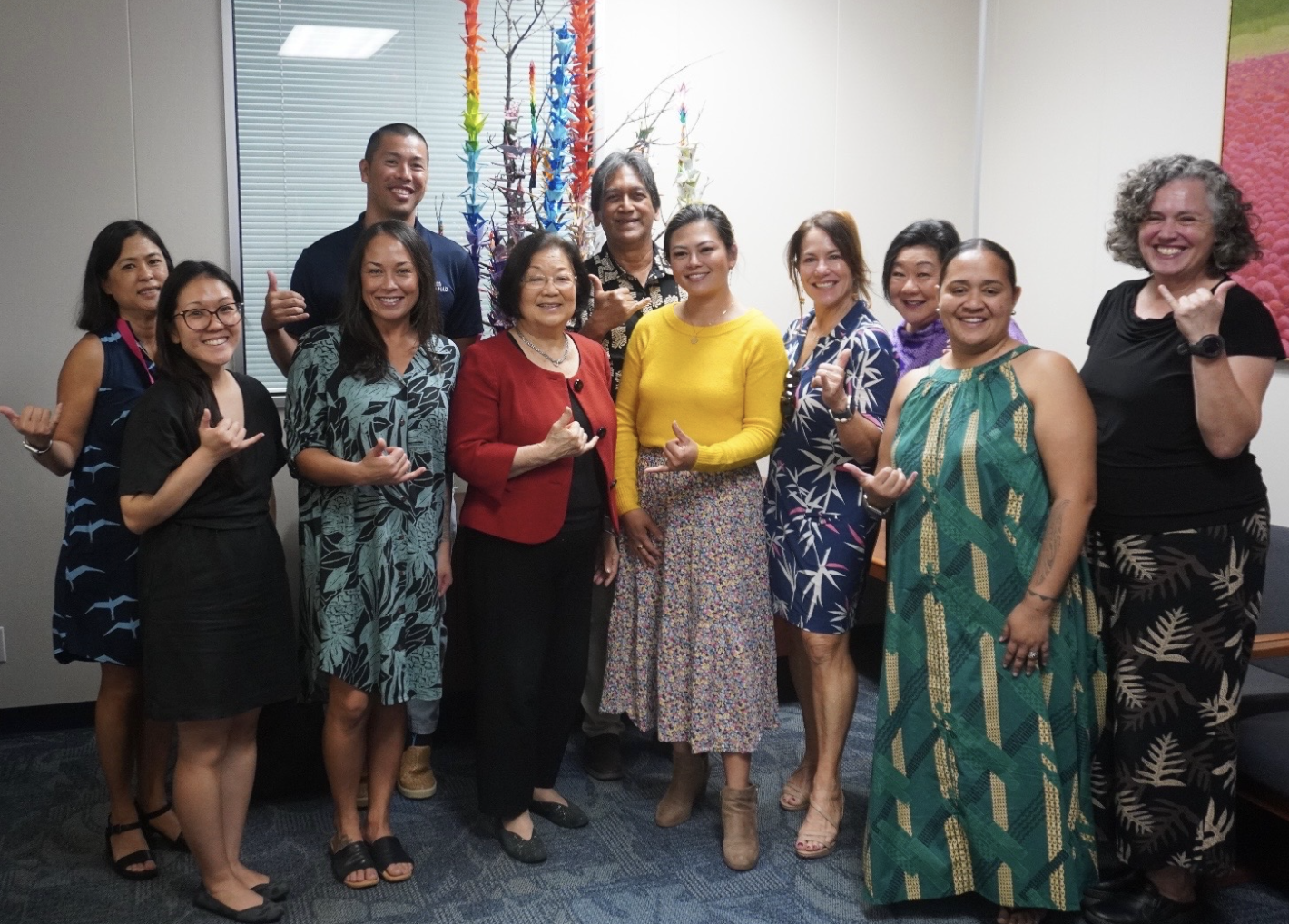
Standing Together for Hawaiʻi’s Schools: Why Community Schools in Hawaiʻi Matter Now
Education leaders and advocates gathered with Senator Mazie Hirono to address federal funding uncertainty and why community schools in Hawaiʻi are essential to supporting students, families, and educators across the state.